


Pediatric Dental Emergency
If you ever have a dental emergency, please don’t hesitate to call us right away. We’re always here to help when your child’s dental health is at risk. In the meantime, check out the tips below for managing urgent dental situations.
Quick Care When It Matters Most
Our team is ready to handle urgent dental issues with kindness and skill, helping your child feel safe and comfortable.
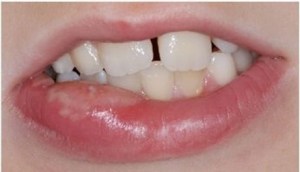
Bitten Lip or Tongue
If your child bites their lip or tongue severely enough to cause bleeding, gently clean the area with water and apply cold compress (a cold, wet towel or washcloth pressed firmly against the area) to reduce or prevent swelling. Please call us to help assess the seriousness of the bite.
Object Caught In-Between Teeth
If your child has something stuck between their teeth, gently use dental floss to try to remove it. Avoid using metal, plastic, or sharp tools to dislodge the object. If you’re unable to remove the object with dental floss, don’t hesitate to call us—we’re here to help!
Broken, Chipped, or Fractured Tooth
If your child chips or breaks a tooth, advise them to rinse their mouth with warm water and apply a cold compress to reduce swelling. Make sure to carefully store the broken tooth in a container with milk to keep it preserved. Be sure to give us a call right away.
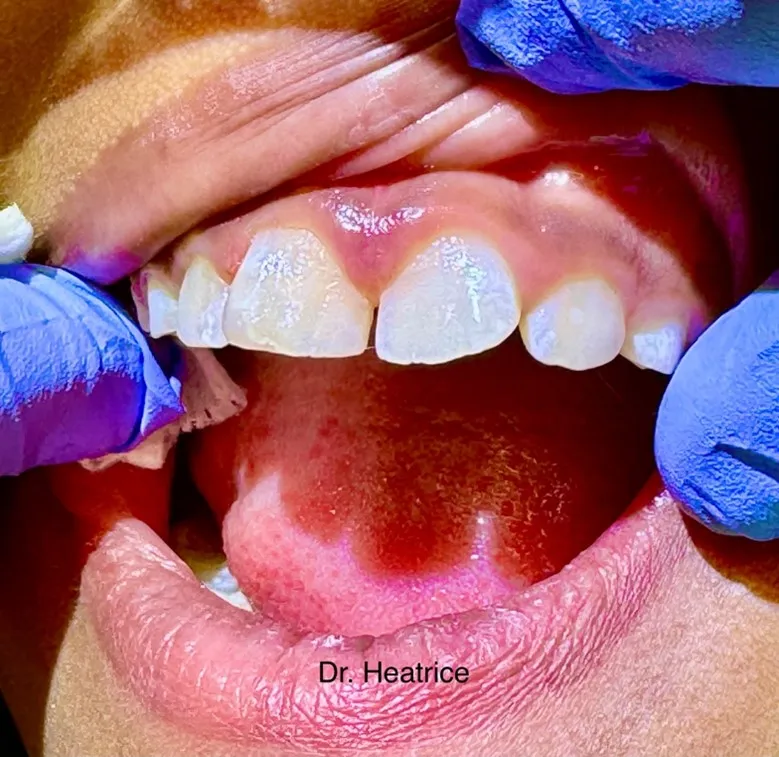
Broken, Chipped, or Fractured Tooth
If your child chips or breaks a tooth, advise them to rinse their mouth with warm water and apply a cold compress to reduce swelling. Make sure to carefully store the broken tooth in a container with milk to keep it preserved. Be sure to give us a call right away.
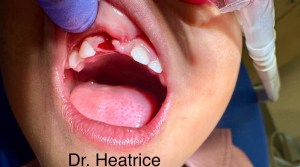
Knocked Out (Avulsed) Baby Tooth
Typically, there is no treatment indicated as these teeth are not re-implanted into the socket. Try to locate the tooth and call our office for follow-up.
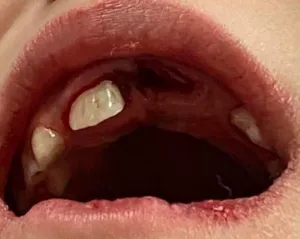
If your child’s tooth gets knocked out, it’s important to act quickly. Find the tooth and pick it up by the crown (the part that’s visible when it’s in place). Place the tooth in a clean container with milk. Then, give us a call right away. Acting promptly increases the chances of saving the tooth.
If your child’s tooth gets knocked out, it’s essential to act quickly. Find the tooth and pick it up by the crown—the visible part—being careful not to touch the root. Place the tooth in a clean container filled with milk to help preserve it. Then, contact us immediately. Acting promptly increases the chances of being able to save the tooth.
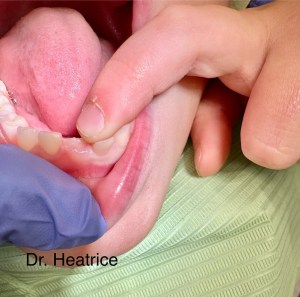
If your child has a very loose tooth, removal might be necessary to prevent any risk of swallowing or aspiration.
Toothache
For a toothache, start by gently rinsing your child’s mouth with warm water and checking for any debris lodged between teeth. Applying a cold compress can help alleviate some of the discomfort. Avoid applying heat, aspirin, or any topical pain relief directly to the gums, as this might cause more harm. Over-the-counter children’s pain relievers can be administered orally if needed. Remember to schedule a dental appointment as soon as possible to address the underlying issue.
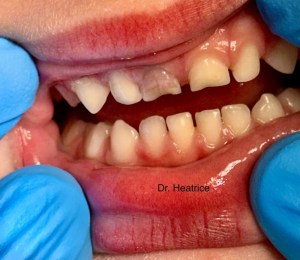
Discolored Teeth
If your child’s tooth is damaged or injured, the tooth may discolor as the internal bleeding stains the dentin (the second layer of the tooth), similar to how a bruise forms. This discoloration can cause the tooth to darken and usually appears 2-3 weeks after the injury. If the tooth does not cause pain or other symptoms, it can often be left to naturally fall out in time. However, if your child experiences pain or if a “bump” forms on the gum near the tooth, it’s important to seek dental care immediately, as the tooth may need extraction.